
Blog Details
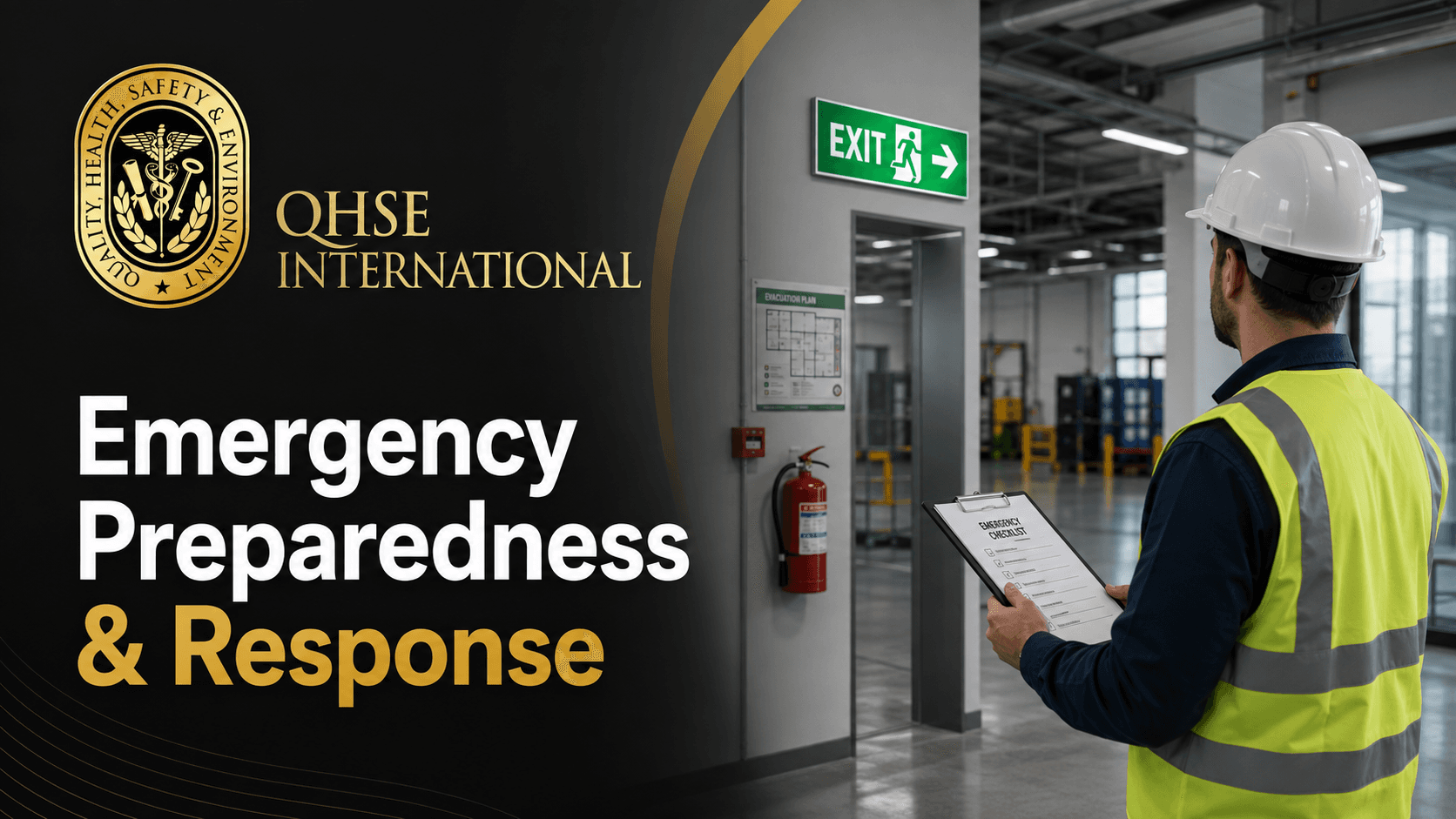
Emergency Response planning helps protect employees, visitors, property, and business operations. Fires, medical emergencies, severe weather, chemical spills, workplace violence, and power failures can happen with little warning. When employees know exactly what to do, they can act quickly, reduce confusion, and help prevent a difficult situation from becoming worse.
Effective emergency preparedness involves more than posting an evacuation map. It requires a clear plan, trained employees, reliable communication, assigned responsibilities, and regular practice.
Every organization faces different risks. A manufacturing facility may need to prepare for chemical releases, fires, or equipment incidents. A construction site may face severe weather, falls, structural hazards, or changing evacuation routes. Offices, warehouses, healthcare facilities, schools, hotels, and retail businesses also need procedures for medical emergencies, security threats, fires, and utility failures.
A well-planned Emergency Response program can help organizations:
Emergency preparedness should also support the organization’s broader Risk Management, Crisis Management, and Business Continuity programs.
An Emergency Action Plan, or EAP, explains how employers and employees will respond during workplace emergencies.
Under OSHA 29 CFR 1910.38, an employer must maintain an Emergency Action Plan when another applicable OSHA standard requires one. OSHA also recommends emergency planning as an effective way to protect workers and businesses.
When a written plan is required, it generally must include:
Employers must also consider how workers will be warned, who can order an evacuation, and how employees, contractors, and visitors will be accounted for.
Organizations should evaluate their specific operations and hazards rather than rely on a generic plan.
A practical Emergency Action Plan should answer several important questions:
The plan should be based on a workplace Risk Assessment, Job Hazard Analysis, facility layout, operations, equipment, chemicals, and location-specific hazards.
Organizations using hazardous chemicals should also connect their emergency procedures with their Hazard Communication program. Employees must know how to report a spill or release and should never attempt emergency response duties without proper training, authorization, and equipment.
A written plan is only effective when employees understand it.
Emergency preparedness training should explain:
Regular drills help organizations determine whether alarms can be recognized, exits remain accessible, accountability procedures work, and employees understand their responsibilities.
After each drill or actual emergency, management should review what happened and identify opportunities for improvement. An Incident Investigation or post-drill review may reveal outdated contact information, blocked exits, communication problems, or unclear responsibilities.
Emergency plans should be reviewed whenever there are changes to employees, equipment, chemicals, workplace layouts, operations, or identified hazards.
Organizations should regularly:
Prepared organizations are better positioned to protect people, control disruption, and recover safely.
Emergency Response is not simply a document stored in a binder. It is a coordinated system of planning, communication, training, drills, leadership, and continual improvement.
QHSE International USA provides practical support for organizations seeking to develop, review, or improve their Emergency Action Plans and workplace procedures. Our services include risk assessments, Emergency Preparedness and Response training, Fire & Life Safety support, emergency drills, Business Continuity, and Crisis Management planning.
Do not wait for an emergency to discover whether your organization is prepared.
Contact QHSE International USA
Website: https://app.qhseinternational.com/usa
Email: [email protected]